Stuffed Cheese Font: Playful Display Type for Makers
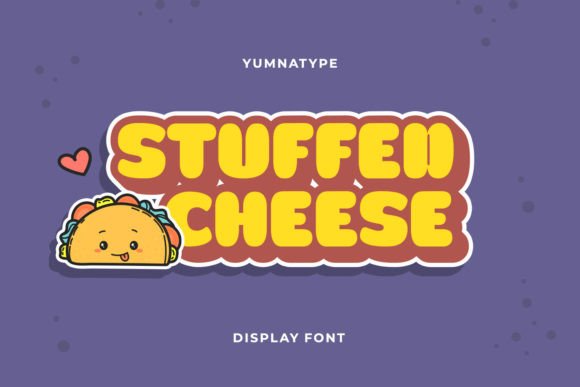
Sitting at my workbench surrounded by wax melts, glass jars, and half-cut vinyl sheets, I realized my candle labels were missing something essential. The product smelled like warm vanilla and toasted marshmallow, but the typography on the label felt cold and overly serious. I needed a typeface that visually communicated comfort and joy before the customer even lit the wick. That is when I loaded Stuffed Cheese into my design software. As a display font with thick weights and generously rounded letter shapes, it immediately transformed the mood of my packaging. It wasn't just text anymore; it was a tactile promise of the cozy experience inside the jar.
For handmade sellers and printable creators, choosing the right typography is often the difference between a product that looks homemade and one that looks professionally crafted. Stuffed Cheese brings a specific visual personality that works beautifully for makers who want their items to feel approachable, fun, and high-quality. Its chunky, soft aesthetic mimics the texture of actual stuffed cheese or fresh dough, making it an ideal choice for food-related crafts, children’s products, and whimsical stationery. When you are designing for a niche that values warmth and nostalgia, this font does the heavy lifting for your brand identity.
Designing Labels and Packaging with Rounded Charm
In my own shop, I tested Stuffed Cheese across three different candle sizes to see how the thick weight held up during printing and cutting. On a 3-inch round label, the font remained legible and bold without overwhelming the limited space. The rounded terminals of each character create a natural softness that pairs perfectly with matte paper stocks and textured label materials. Unlike sharp-edged modern fonts that can sometimes look harsh on small-scale packaging, this typeface feels integrated into the physical product.
Beyond candles, this display font shines on boutique tags and product packaging. If you sell baked goods, artisanal snacks, or handmade soaps, the playful vibe reinforces the organic nature of your work. I found that using Stuffed Cheese for the primary product name while keeping the scent notes or ingredients in a clean sans serif font created a perfect hierarchy. This font pairing strategy ensures customers can quickly identify what the product is while still enjoying the decorative flair of the title. For makers using Cricut or Silhouette machines, the consistent stroke width cuts cleanly on adhesive vinyl, reducing the risk of peeling edges on curved surfaces like mugs or tumblers.
Elevating Stationery and Digital Printables
Stationery designers know that wedding invitations and greeting cards require a delicate balance of elegance and personality. While script fonts are traditional for weddings, many couples now seek modern typography that feels less formal and more celebratory. Stuffed Cheese offers a unique alternative for welcome signs, seating charts, and menu headers. Its friendly demeanor suggests a relaxed, joyful atmosphere rather than a stiff, traditional event. I recently used it for a digital wedding invitation template, and the feedback highlighted how the bold, rounded letters made the information feel inviting and easy to read on mobile screens.
For printable creators, this font is a versatile asset for wall art and planner pages. When designing nursery decor or educational posters, the soft shapes appeal to both parents and children without looking childish. In digital planners, using Stuffed Cheese for monthly headers or section dividers adds a pop of character that breaks up the monotony of grid lines and body text. Because it is a premium display font, it carries enough visual weight to serve as a focal point in editorial layouts or social media graphics. When creating listing images for Etsy or Shopify, using this typeface in your mockups can increase click-through rates by making your thumbnails stand out in a sea of minimalist, thin-lined designs.
Practical Readability and Production Tips
While Stuffed Cheese is undeniably charming, it is important to use it strategically to maintain professional results. As with most creative fonts, readability should always guide your design decisions. Here are practical tips I have learned through testing this typeface on real merchandise:
- Limit Usage to Headlines: Reserve Stuffed Cheese for titles, names, short phrases, and logos. Avoid using it for long paragraphs, ingredient lists, or fine print, as the thick weight can cause eye fatigue and reduce legibility at small sizes.
- Mind the Kerning: Display fonts often have unique spacing. Always check the kerning manually, especially when using all-caps. Tightening the tracking slightly can make the word shape feel more cohesive and solid, which is crucial for logo design and signage.
- Contrast is Key: Pair this bold typeface with lightweight companions. A simple serif font for subheaders and a neutral sans serif for details allows Stuffed Cheese to shine without competing for attention.
- Test Before Mass Production: Always print a physical proof or cut a test sticker before committing to a full production run. Screen resolution can be deceiving, and you need to verify that the rounded edges remain crisp on your specific paper or vinyl material.
- Check File Formats: Ensure you have the correct file formats (OTF, TTF, WOFF) for your intended use. If you are selling templates or SVG-style designs, verify that the license permits modification and redistribution in that specific format.
Licensing and Commercial Considerations for Sellers
As business owners, we must protect our shops by understanding font licensing. Before using Stuffed Cheese on products for sale, review the included license agreement carefully. Most commercial font licenses cover physical end products like shirts, tote bags, mugs, and printed cards. However, if you plan to use the font in editable templates, digital downloads where the customer can manipulate the text, or as part of a logo trademark, you may need an extended or special commercial license.
Additionally, check for multilingual support and included alternates. Having access to ligatures, swashes, or alternate characters can add custom flair to your branding, making your packaging look bespoke rather than generic. Some versions of display fonts include bonus assets or matching icons that can enhance your design ecosystem. Taking the time to understand these technical details ensures that your creative process remains smooth and legally compliant, allowing you to focus on what matters most: bringing your handmade vision to life.
Ultimately, typography is the voice of your handmade business. Stuffed Cheese speaks in a tone that is warm, confident, and delightfully human. Whether you are labeling a batch of holiday cookies, designing a birthday invitation suite, or refreshing your shop’s branding, this font provides the creative foundation to make your products feel as good as they look. By treating type selection as an integral part of your craftsmanship, you elevate every item that leaves your studio, turning simple objects into memorable experiences for your customers.